
Inflation is Immoral
What a nation's currency can tell you about ethics and how the monetary inflation punishes the poor.

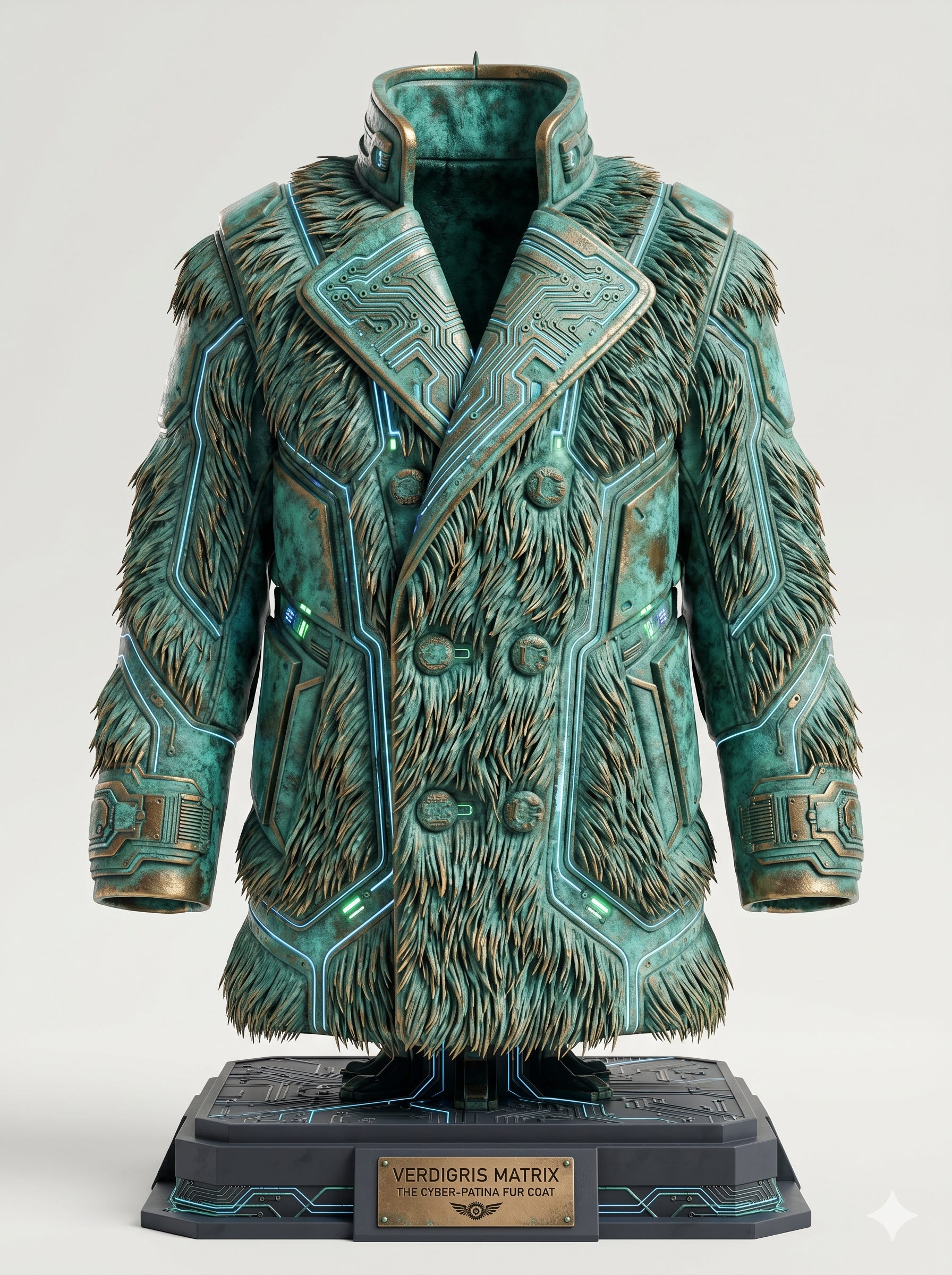
I have written about the convergence of morals and value in which our decisions, especially those around how we spend money, are constantly informing a social moral position that can be understood via pricing. For instance the rarity, luxury and status of a fur coat has diminished massively from a peak in the 80s to now. This isn’t a supply-side-driven issue, it is a fall in the demand. The public narrative that fur coats are made by unethical methods altered consumers’ behavior and the price of the goods has followed. We can use this information as a proxy for how society viewed the mistreatment of animals. To summarize, the price of a product includes a certain morality price adjustment in every culture.
Inflation’s Victims
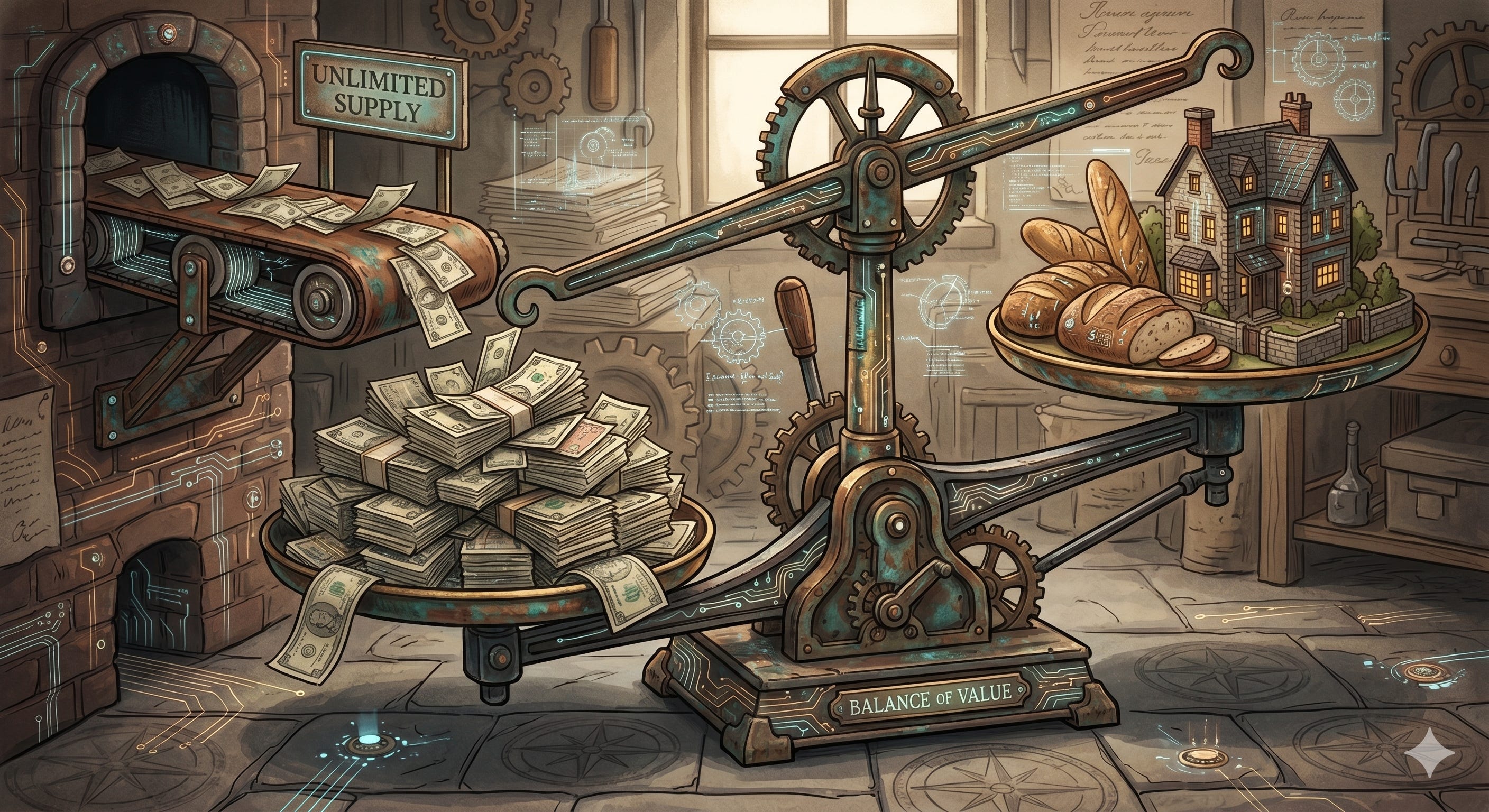
Acquiring Scarce Assets with debt (ex. Real Estate) is how the rich profit in an inflationary environment and the poor suffer. The majority of the money that is printed goes to banks first, followed by the rich whom the banks loan to at the most favorable rates; this is referred to as the Cantillon Effect. Even in the most extreme cases where the US government sent most taxpayers a check during COVID, that total amount was 1/5th of what was issued that year and in reality the ratio was even smaller.
Real Estate is the most straightforward example of how this plays out. Money is lent into existence and needs to be worked into the economy. Well-capitalized institutions, be it a family or business, have direct access to the cheapest money because they are the lowest risk. They take loans and buy scarce Assets with long term debt. Buying a rental property, even if the rental income is break-even, results in the owner gaining the value of the property over time as inflation drives the price up.
The poor do not have easy access to debt at good rates, and they don’t own assets. The primary asset they have is their labor. The money comes into the system and filters through many hands until real inflation kicks in. This time lag between the money entering the system and when inflation takes off is the most important to gaining and protecting wealth. When prices rise the wages are the last to react because it is only when the laborers feel the price pressure that they demand more for their services. At this point they are already behind.
Inflation is Theft
I love teleological explanations because they make it easier to arrive at mutually agreed-upon definition. When inflation occurs, the impact is proportionate: the higher the percentage of your net worth held in inflation-resistant assets, the less affected you will be. Conversely, the fewer assets you own, the more inflation will impact you. The one large caveat here is the debt owners: if you own a large amount of long-term debt at a low interest rate and the inflation rate doubles then the actual value of that debt can be significantly reduced. Thus we can make this statement:
Inflation makes bondholders and wage laborers poorer in real terms.
The next part is insanely simple, the central banks have an inflation target. Yes, they not only like inflation they have a mandate to create it, just not too much and definitely not too little, they want ‘Goldilocks Inflation’. If there is too much inflation, people realize they are being stolen from much faster, making it harder for institutions to deflect blame. If there is too little inflation, the debt burden becomes worse because the whole scheme is to pay back debt with dollars that have lost purchasing power. Thus we arrive at the middle ground where the central bank’s goal is to “make bondholders and wage laborers poorer in real terms”. This is not a logical trick I just played; this is the truth and it is the goal of the currency issuers to impoverish you slow enough that you don’t realize it and get mad at them for doing so. We live under a system of design to hide theft and it is up to you to protect yourself.
Bitcoin is Moral
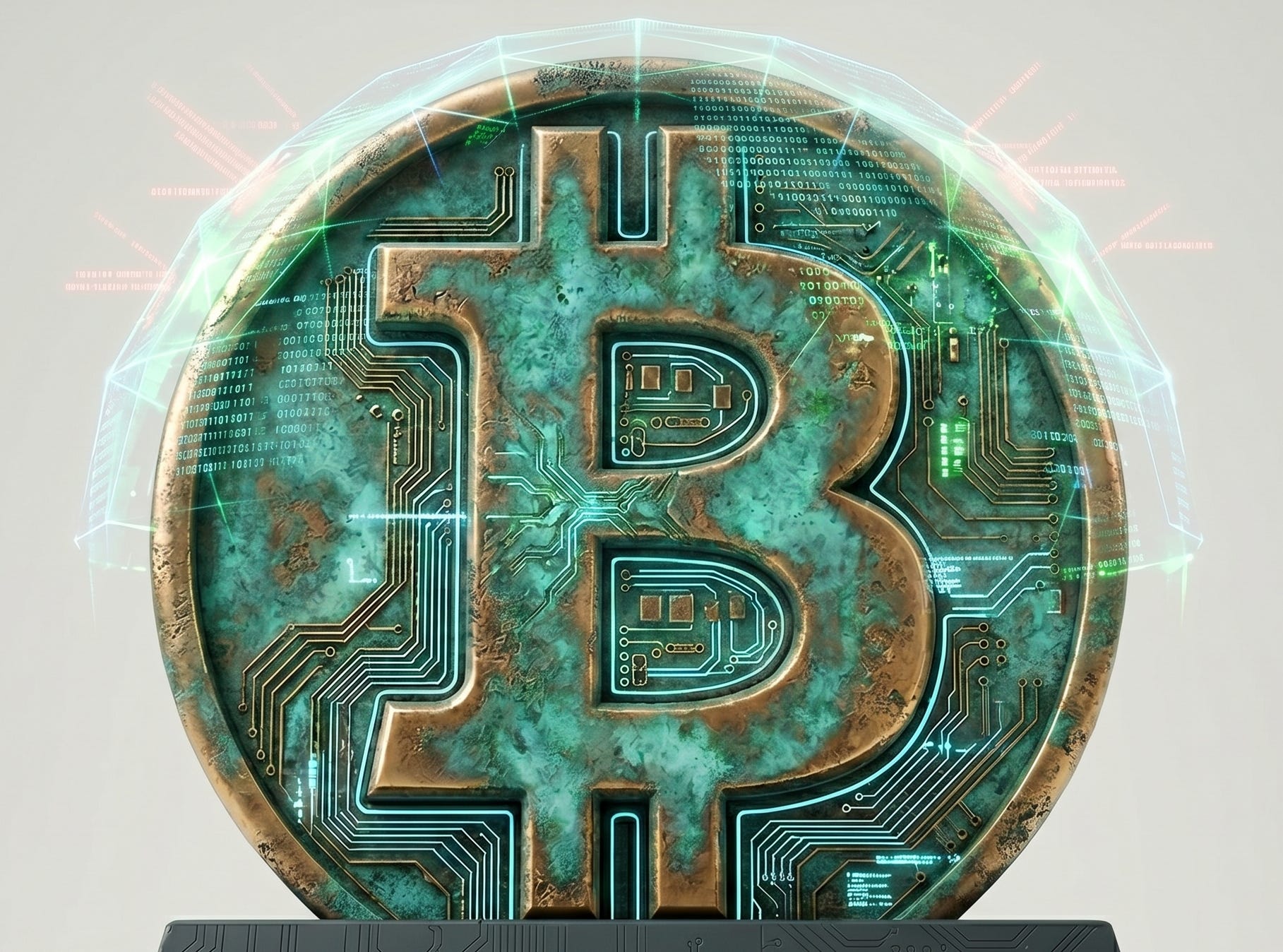
Inflation is theft and the supply of Bitcoin is fixed. The theft/no theft dichotomy can’t be more simple. Bitcoin does very little, but there are two very important things at the core of the technology: a censorship-resistance ability to transact and a fixed supply. To be able to send Bitcoin you must be able to create a valid transaction that includes the private key signature and broadcast this transaction to the network. There is no authority that can deny the transaction. There could be miners who refuse to include the transaction in the next block, but as long as at least one successful miner includes the transaction it will be completed. This means friends and foes have equal rights to the monetary network and cannot be denied. Denying someone the ability to spend their money is equivalent to theft, because owner’s value is destroyed.
The other core idea of Bitcoin is that there will only ever be 21 million. This is coded into the software. Software can be changed, but the changes require consensus and I believe the most valuable version of Bitcoin will be the group that agrees never to alter this. Predicting the future is difficult, but I am confident the money supply and inflation will continue to grow, and equally confident that Bitcoin will not change its fixed supply. We have no idea how many dollars there will be in the future. We have complete knowledge of the relative amount of Bitcoin. So as the dollars in the system increase and the purchasing power they represent decreases, anyone holding dollars is paying that cost, or in other words, they are being robbed of that value.
I believe that having private property that is resistant to seizure is a moral good. I believe systems that are morally good outperform competition that is not. Our sphere of influence in politics on major issues such as this is zero. The economy may be an election topic, but the control of the Federal Reserve (which isn’t even a government institution, read this excellent book if you want the history) is not under the influence of voters. So how can you act in the most impactful way with your money?
Taking your fiat bucks and trading them for Bitcoin is an action that shows your preference against theft. The price of Bitcoin is a signal that represents the number of people and capital that value these core principles in some fashion. The Bitcoin price is important because it is a universal communication that declares: I would rather have access to a technology that respects these moral ideals instead of the dollars and the current purchasing power that money represents. This is how I vote. This is how I signal to the world my moral preferences on monetary policy.
This is why Bitcoin is Moral.